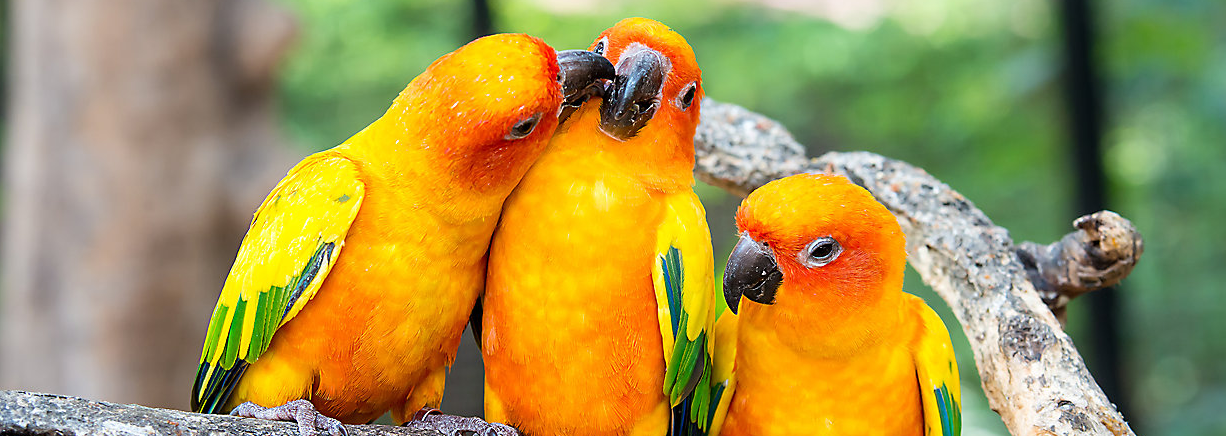
Caring for birds goes beyond providing a cage and food. Birds are highly social animals that require mental stimulation, exercise, and companionship to thrive. Providing toys, interactive playtime, and regularly letting them out of the cage for safe exploration is crucial to their mental and physical well-being. It’s also essential to maintain a clean, spacious cage with fresh food and water, as birds can be sensitive to changes in their environment.
A balanced diet is key to keeping your bird healthy. Birds need more than just seeds; a variety of fruits, vegetables, and pellets help provide necessary nutrients. Regular vet visits are important to monitor their health and prevent issues like feather plucking or respiratory problems. By creating an enriching and healthy environment, your bird will remain happy and well-cared-for.
Getting a bird is a big decision! Here's a reminder of things to consider before bringing a friend home:
Remember: Getting a fish is a long-term commitment! Make sure you're ready to provide a loving and responsible home for your new companion.
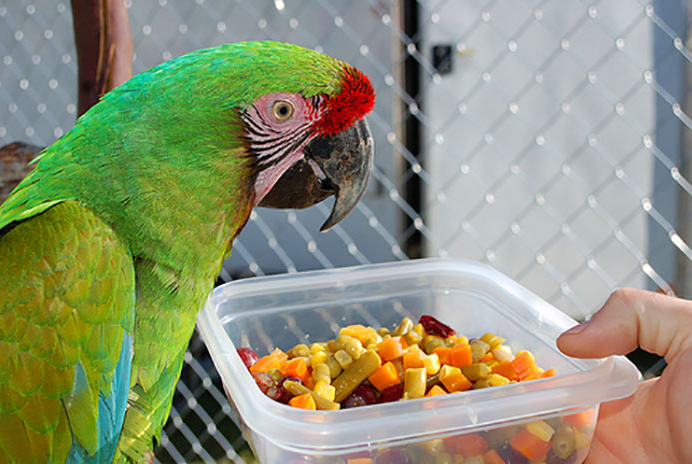
Proper nutrition is essential for your bird's health, and a balanced diet should include seeds, pellets, fresh fruits, and vegetables. A seed-only diet can lack important nutrients, so offering variety is key. Make sure to feed your bird the right amount to avoid overfeeding and obesity. Additionally, it's crucial to provide fresh water at all times to ensure your bird stays hydrated and healthy.
Regular vet visits are crucial for monitoring your bird’s health and catching potential issues early, such as respiratory problems or feather plucking. Birds tend to hide signs of illness, so yearly check-ups with an avian vet are recommended. Preventative care ensures your bird stays healthy and active. Furthermore, keeping your bird's cage clean and well-ventilated can also help prevent the spread of diseases and maintain a healthy environment.
Grooming helps maintain your bird’s feathers and overall cleanliness, so regular baths or misting are essential. Nail trimming may be needed to prevent overgrowth, and wing clipping is optional depending on whether you allow flight. Proper grooming promotes comfort and reduces stress. Additionally, beak trimming may also be necessary to prevent overgrowth and ensure your bird can eat and preen properly.
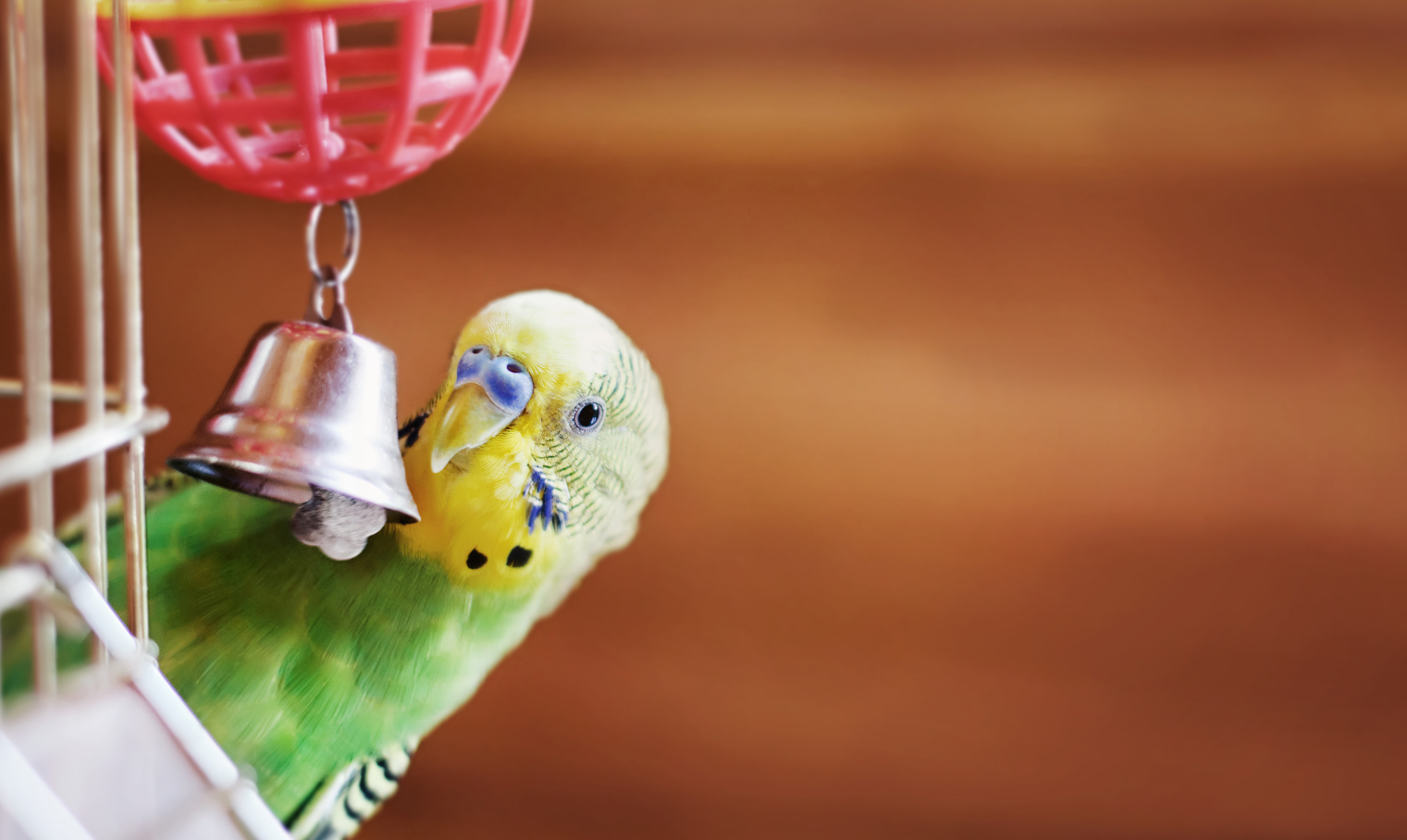
Your bird’s cage should be large enough for movement and equipped with perches, toys, and swings for mental stimulation. Keep their living space free from hazards such as toxic plants or open windows. Supervised time outside the cage is beneficial but should always be in a bird-safe room. Rotating toys and accessories regularly can also help prevent boredom and stimulate your bird's natural curiosity.
Birds are highly social animals and require daily interaction with you or other birds to stay mentally and emotionally healthy. Provide several hours of play and talking each day to prevent boredom and behavioral issues. Without enough socialization, birds can become lonely and stressed. In addition, creating a routine that includes set times for play, feeding, and sleep can help provide a sense of security and stability for your bird. Furthermore, consider providing a mirror or other reflective surface to provide entertainment and mental stimulation when you're not available to interact.
Birds need several hours of attention and social interaction daily to remain happy and well-adjusted. This includes talking, playing, and letting them explore safely outside their cage. Without sufficient attention, birds can develop negative behaviors due to loneliness or frustration.
Training • Pet Care • Health
What fruit can i feed to my Bird?
Training • Pet Care • Health
Best way to train a Bird?