

Provide the Best Nutrition for your pet
Balance diets for happy healthy pets. Discover what your pet needs to thrive

Balance diets for happy healthy pets. Discover what your pet needs to thrive
Balanced diets for happy, healthy pets. Discover what your pet needs to thrive.







Proper nutrition supports healthy skin and a shiny, resilient coat, reducing shedding and dryness.
Nutrient-rich food strengthens your pet's immune system, helping them fight off infections and diseases more effectively.

A well-balanced diet ensures smoother digestion and better nutrient absorption, minimizing stomach issues.

A well-balanced diet ensures smoother digestion and better nutrient absorption, minimizing stomach issues.

The right food provides your pet with sustained energy, keeping them active and playful throughout the day.
Proper nutrition supports healthy skin and a shiny, resilient coat, reducing shedding and dryness.
The right food provides your pet with sustained energy, keeping them active and playful throughout the day.
A diet tailored to your pet's needs helps them live a longer, healthier life, reducing the risk of chronic illnesses.
Nutrient-rich food strengthens your pet's immune system, helping them fight off infections and diseases more effectively.
A well-balanced diet ensures smoother digestion and better nutrient absorption, minimizing stomach issues.
Choosing the right food for your pet is crucial to ensuring their health and well-being. Different pets require different types of food to meet their specific nutritional needs. Below are the main types of pet food and how they cater to the various pets covered on FurEver Care:
At FurEver Care, we are dedicated to promoting responsible pet ownership and providing trusted information to help ensure that pets lead happy, healthy lives. We believe that with the right knowledge and resources, every pet owner can make a positive impact on their pet's well-being.
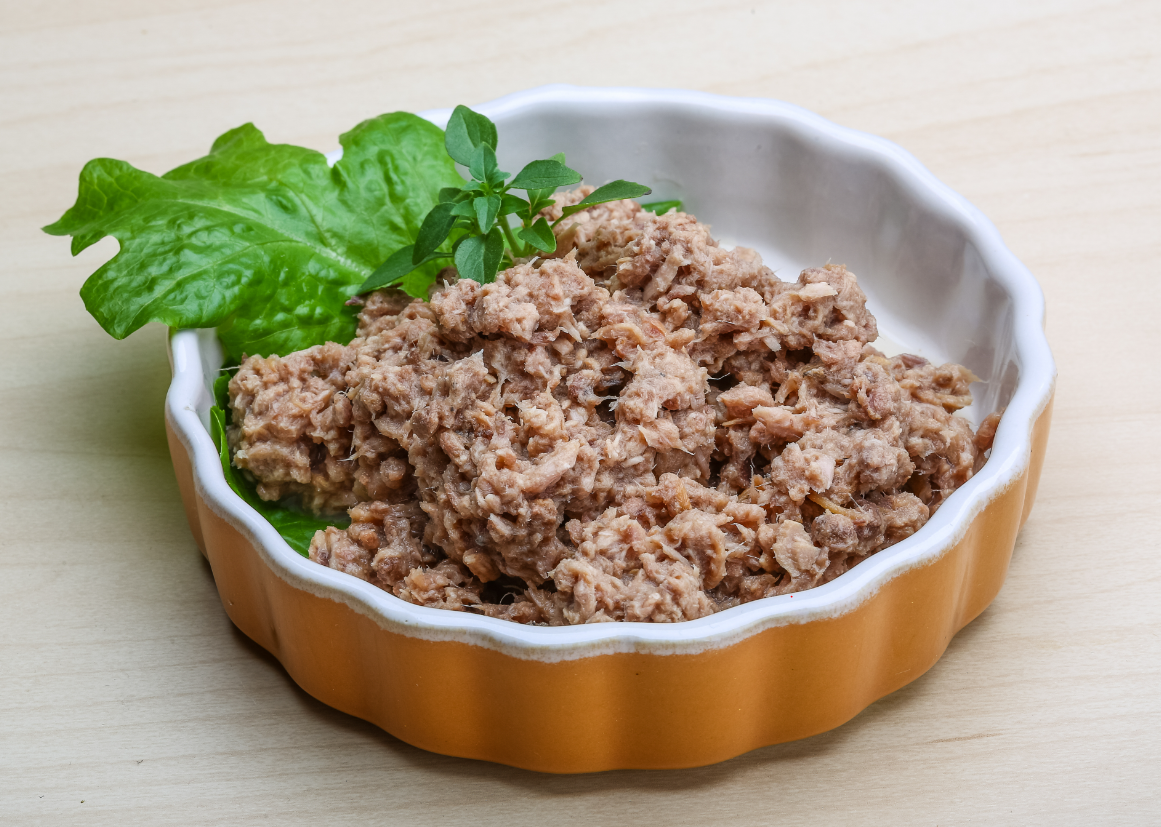
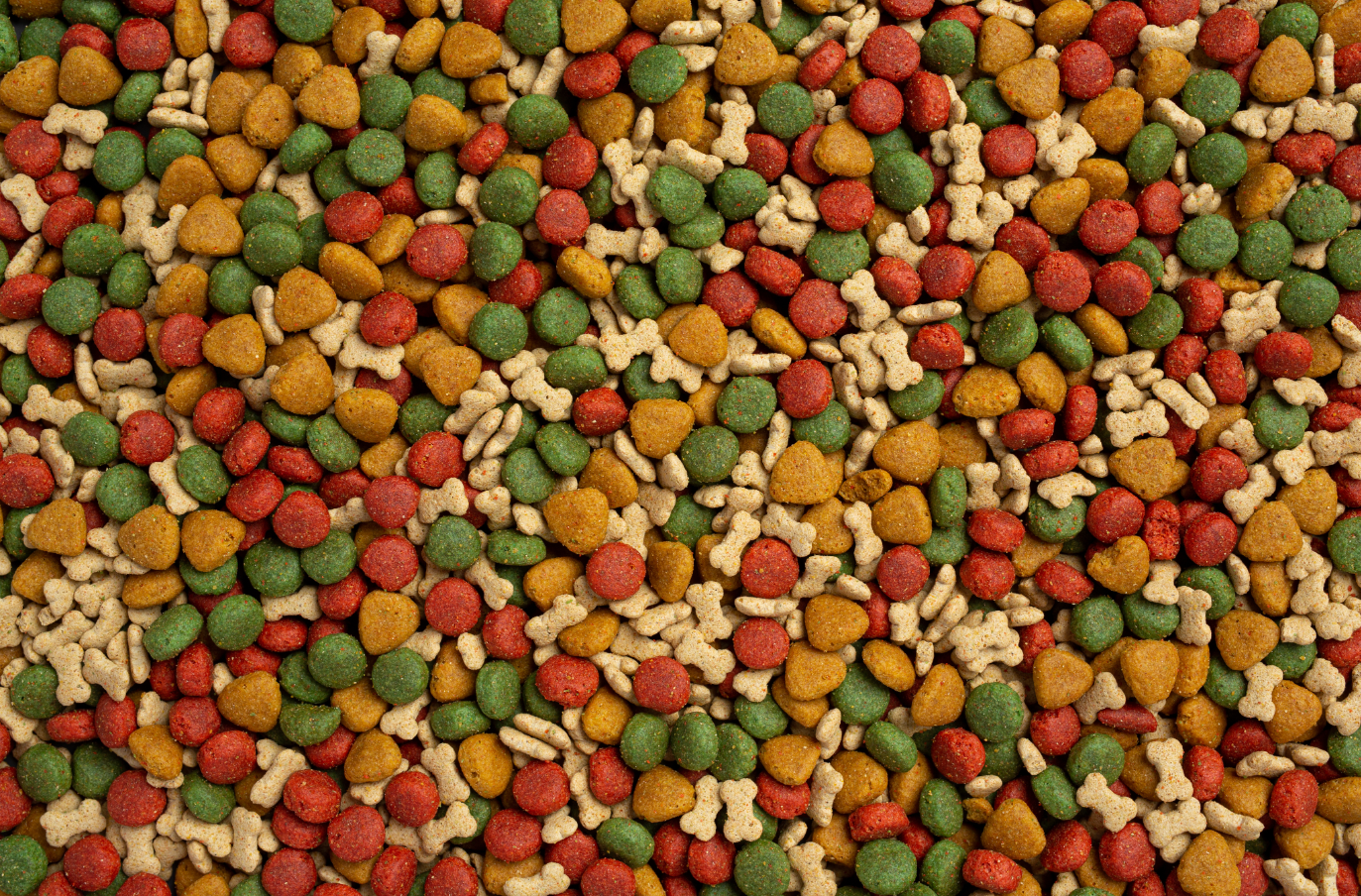
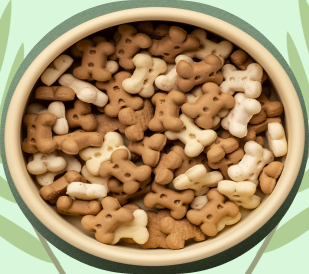
Dry food, also known as kibble, is crunchy and long-lasting. It is a convenient, affordable option for dogs and cats, promoting dental health while offering a long shelf life. However, it has low moisture content, so pets eating dry food need plenty of fresh water. This type of food is not appropriate for fish, birds, or hamsters, as they require specialized diets.
Raw food diets are gaining popularity among dog and cat owners. These diets mimic the natural diet of pets in the wild, offering high protein and natural nutrients. While raw food is beneficial for pets with specific dietary needs, it can be expensive and requires careful handling to avoid bacterial contamination. Like wet and dry food, raw diets are not suitable for fish, birds, or hamsters.
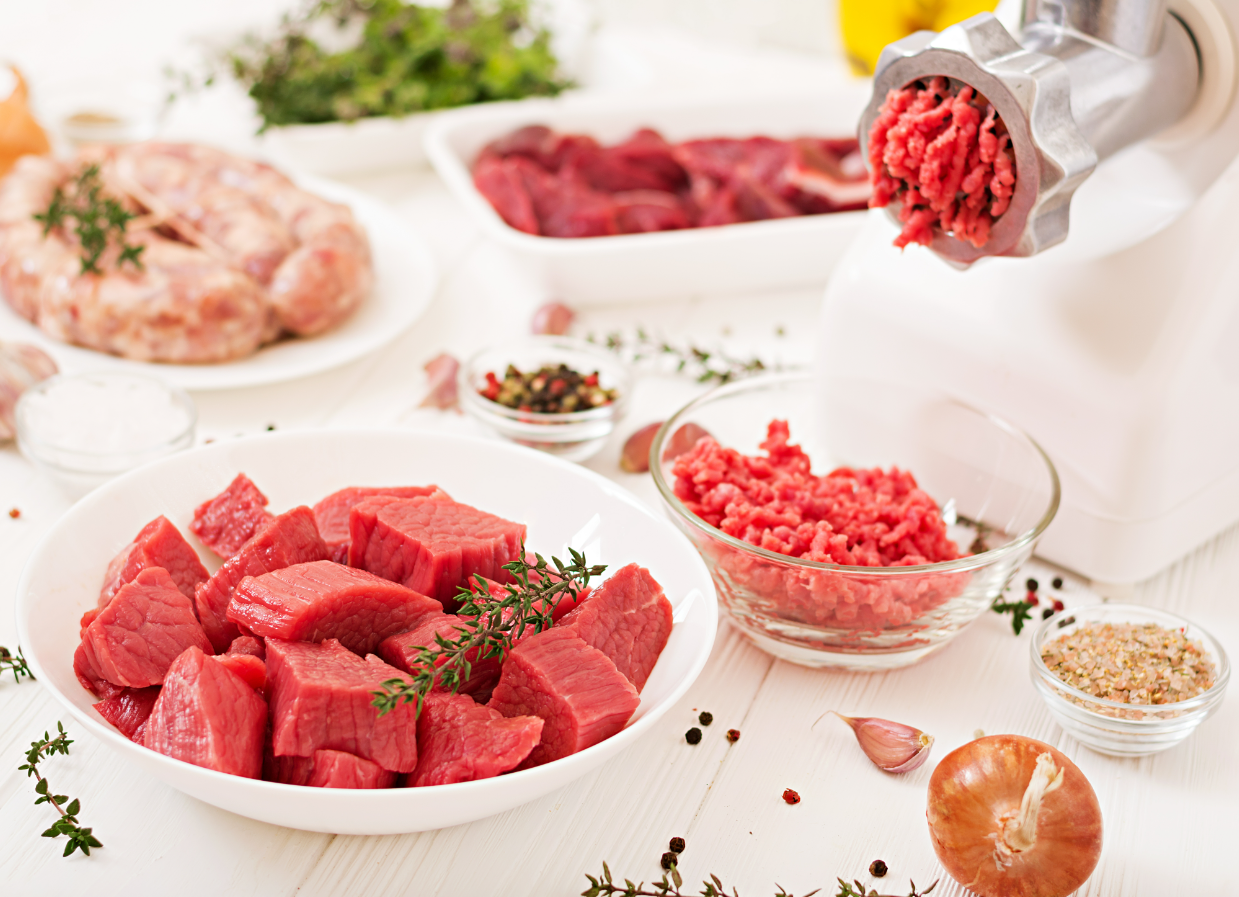
Homemade meals give pet owners full control over their pets' ingredients, making them ideal for pets with allergies or specific dietary requirements. Dogs, cats, and even birds and hamsters can benefit from a well-planned homemade diet. However, preparing homemade meals is time-consuming, and it’s important to ensure a balanced mix of nutrients. Fish do not benefit from homemade food, as they require specific commercial diets.
| Food Type | Description | Benefits | Challenges | Recommender For |
|---|---|---|---|---|
| Wet Food | Moist and soft food | Hydration easy to digest, favorul | Shorter shelf life, more expensive | Cats, older pets, pets needing hydration |
| Dry Food | Crunchy and long-lasting food | Convenient, good for dental health, affordable | Low moisture content, may lead to dehydration | Active dogs, everyday use |
| Raw Food | Natural, uncooked food | High in protein, mimics natural diet | Expensive, risk of bacteria if not handled properly | Dogs and cats with specific health needs |
| Homemade Food | Freshly prepared meals | Customizable, ideal for allergies or specific needs | Time-consuming, requires knowledge for balanced nutrition | Pets with special dietary needs |
| Commercial Flakes/Pellets | Dried, bite-sized fish food | Easy to digest, supports gill and fin health | Can lead to overfeeding, needs portion control | Fish |
| Seed Mix or Pellets | Seeds and formulated pellets | Enhances feather health, balanced nutrition | High fat content in seeds, may need variety | Birds |
| Grains, Nuts, Seeds, Veggies | Mixture of grains, seeds, and nuts | Supports dental health, provides energy | Can lead to selective feeding, may lack variety | Hamsters |
Find the Best Nutrition for Your Pet
Dogs need a balanced diet rich in protein, carbohydrates, fats, and essential vitamins. They typically thrive on either dry kibble or wet food, with occasional raw or homemade meals. Adult dogs are usually fed twice a day, while puppies may require more frequent feeding.
Cats are obligate carnivores, meaning they require a high-protein diet primarily derived from animal sources. Wet food is ideal for hydration, but dry food can also be included. Cats should be fed smaller, frequent meals throughout the day to mimic their natural hunting behavior.
Fish should be fed specialized flakes or pellets that match their species' nutritional needs. It's important to feed them small amounts once or twice daily to avoid overfeeding, which can pollute the tank. Some fish may also enjoy occasional treats like freeze-dried worms or vegetables.
Birds benefit from a diet of high-quality seed mixes or pellets, supplemented with fresh fruits and vegetables. Seeds should be given in moderation, as they can be high in fat. Fresh water and a varied diet are essential for maintaining their feather and overall health.
Hamsters should eat a variety of grains, seeds, nuts, and dried vegetables, which support their dental health and energy levels. Fresh vegetables can be offered as treats. Feed hamsters once a day, and ensure they have access to fresh water at all times.