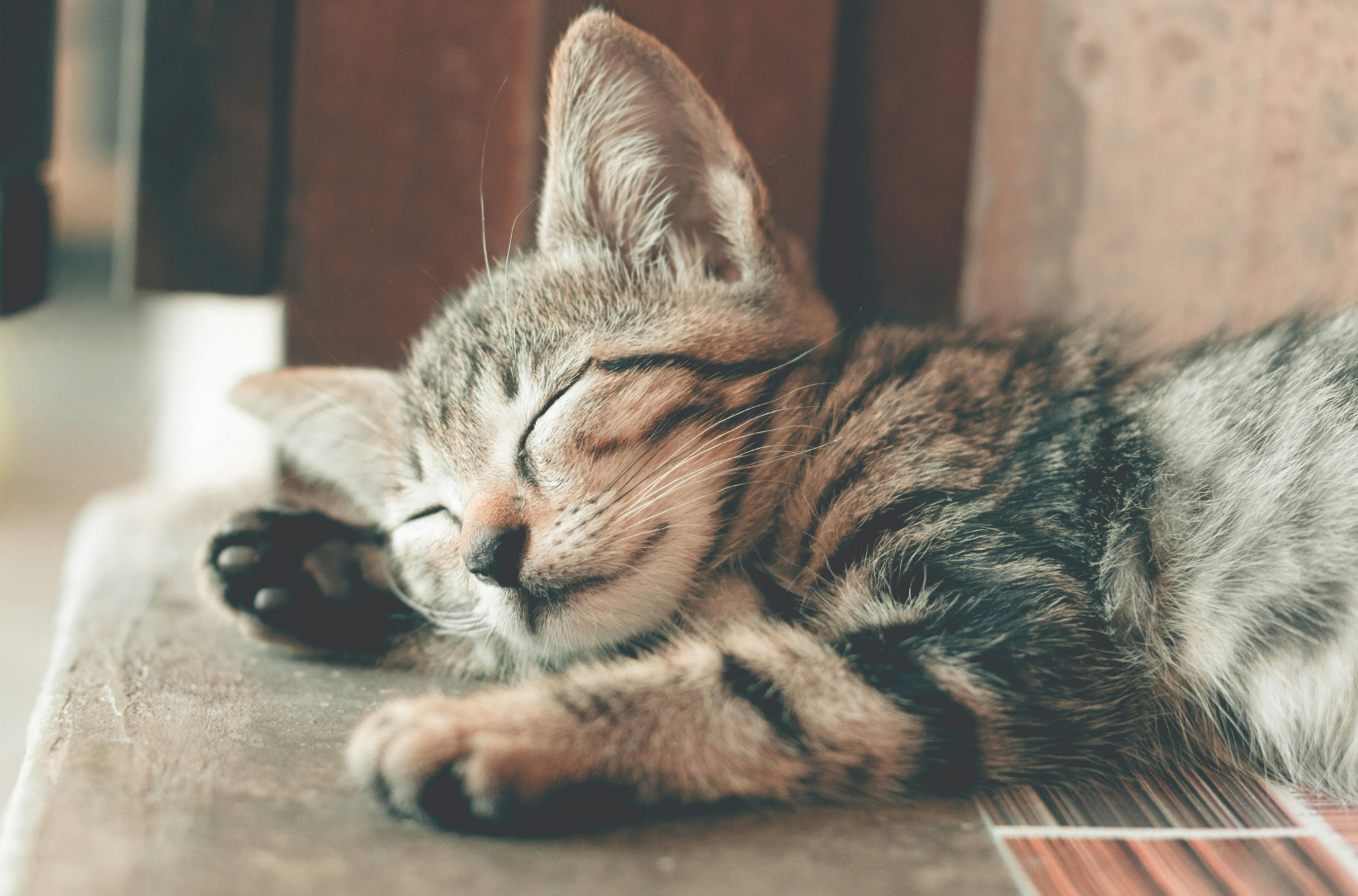
Caring for a cat goes beyond providing food and shelter—it requires understanding their unique needs and behaviors. Cats are independent creatures, but they still rely on their owners for proper nutrition, regular grooming, and a stimulating environment. By maintaining a balanced diet and a clean living space, you can ensure your cat stays healthy and happy. Regular vet visits and vaccinations are also essential in preventing common health issues, keeping your feline friend in the best shape possible.
Beyond physical care, responsible cat ownership means understanding your cat’s emotional and social needs. Providing toys and interactive playtime helps to keep boredom at bay and strengthens the bond you share. Monitoring their behavior is key to ensuring they’re content, and positive reinforcement is an excellent method for teaching good behavior. Learning to read your cat’s body language and respecting their boundaries is key to building a trusting and loving relationship!
Getting a cat is a big decision! Here’s a reminder of things to consider before bringing a furry friend home:
Remember: Getting a cat is a wonderful experience, but it's a commitment! Be sure you're ready to provide a loving and responsible home for your feline friend.
A balanced diet is crucial for keeping your cat healthy and full of energy. Cats are obligate carnivores, meaning their diet should be high in animal protein. When selecting food, consider options like wet or dry food, and look for grain-free varieties if your cat has allergies or sensitivities. It's important to stick to a regular feeding schedule, practicing portion control to prevent overeating and obesity. Younger cats may need more frequent meals, while adult cats typically do well with two meals a day.

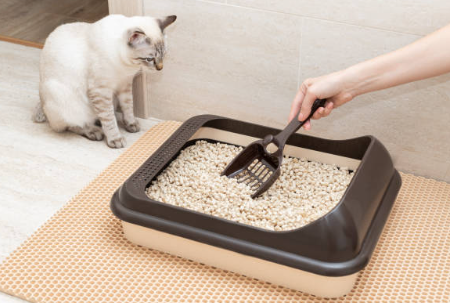
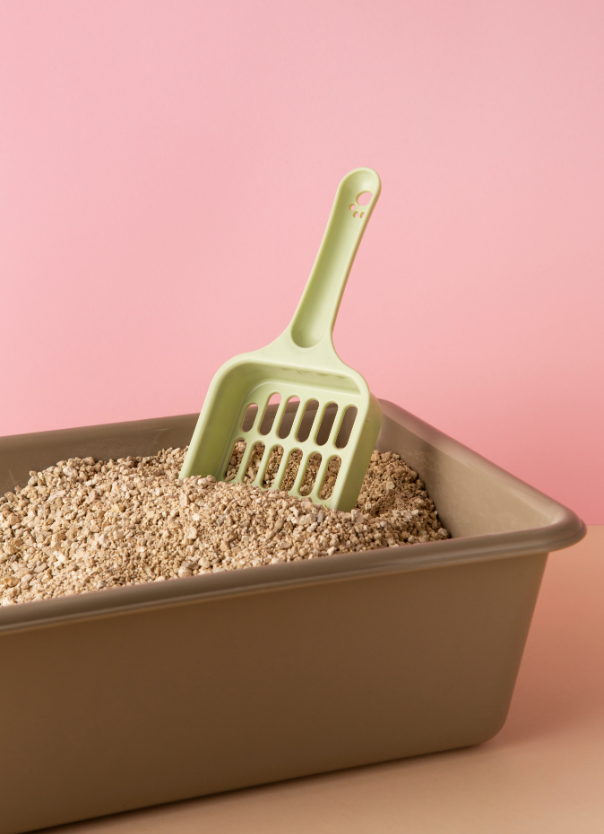
Setting up an appropriate litter box is key to a happy, well-adjusted cat. The box should be placed in a quiet, easily accessible area and should be the right size for your cat. Experiment with different types of litter to find one your cat prefers, and clean the box regularly to prevent odor buildup. Training your cat to use the litter box is usually simple, but maintaining cleanliness is essential for your cat’s comfort and health.
Setting up an appropriate litter box is key to a happy, well-adjusted cat. The box should be placed in a quiet, easily accessible area and should be the right size for your cat. Experiment with different types of litter to find one your cat prefers, and clean the box regularly to prevent odor buildup. Training your cat to use the litter box is usually simple, but maintaining cleanliness is essential for your cat’s comfort and health.
Monitoring your cat’s health is critical to their long-term well-being. Be aware of common health issues such as hairballs, dental problems, or parasites, and ensure your cat has regular vet visits to catch any potential issues early. Vaccinations and flea treatments are necessary to prevent serious illnesses. Having a basic understanding of first aid will also help you manage minor injuries or illnesses.
Indoor cats can become bored and inactive, so it’s important to provide mental and physical stimulation. Engaging your cat with interactive toys, scratching posts, and playtime routines helps maintain their fitness and prevents destructive behaviors like scratching furniture. Regular exercise also helps keep your cat at a healthy weight and promotes a happy, enriched lifestyle.
A safe environment is key to your cat's overall well-being. Cat-proofing your home involves removing hazards like toxic plants, small objects, and electrical cords. If you allow your cat outdoors, ensure they have a safe space to explore, such as a secure garden or an outdoor enclosure. This keeps your cat safe while allowing them to enjoy fresh air and stimulation.
Cats need a good amount of attention each day! This includes playing with them, petting them, and talking to them. It's important to make sure your cat is getting enough stimulation. Just like humans, cats need to be mentally and physically active to stay healthy. So make sure you're setting aside some time each day to play with your furry friend. You could use a toy, a feather, or even just your hands. Just remember, play should be fun and engaging for both you and your cat!
Training • Pet Care • Health
Best Places for a Litter Box in Your Home

Training • Pet Care • Health
No.1 Healthy Cat Food