
Caring for a dog requires attention to its physical and emotional well-being. Regular exercise is essential to keep your dog healthy and happy. Daily walks, playtime, and mental stimulation help prevent obesity and behavioral issues. A balanced diet with appropriate portion sizes and fresh water ensures proper nutrition. Regular vet check-ups, vaccinations, and grooming, including brushing and nail trimming, are also key to maintaining a dog’s overall health.
In addition to physical care, dogs need emotional support and companionship. Building a strong bond through positive reinforcement, training, and affection is vital for their happiness. Dogs thrive in environments where they feel secure, so providing a comfortable space with bedding, toys, and social interaction is important. Training helps promote good behavior, while consistent routines and boundaries create a stable environment for your pet.
Getting a Dog is a big decision! Here's a reminder of things to consider before bringing a furry friend home:
Remember: Getting a dog is a long-term commitment! Make sure you're ready to provide a loving and responsible home for your new companion.
To keep your dog healthy, choose high-quality food that lists meat as the primary ingredient and meets your dog’s age, size, and activity needs. Puppies, adults, and seniors require different nutrients, so follow feeding guidelines based on weight and activity. Avoid feeding toxic human foods like chocolate or grapes, and stick to a regular feeding schedule to prevent overeating. Fresh water should always be available to keep your dog hydrated.

Regular grooming is essential to maintain your dog’s coat and overall hygiene. Brush your dog’s fur based on their breed to prevent matting and reduce shedding, with short-haired dogs needing less frequent brushing and long-haired breeds requiring more. Bathe your dog every few weeks or as needed, using dog-specific shampoo to avoid skin irritation. Don't forget to trim their nails regularly to prevent discomfort or injury and check ears for wax buildup or infections. Regular dental care, including brushing your dog’s teeth, also helps prevent bad breath and oral health issues.
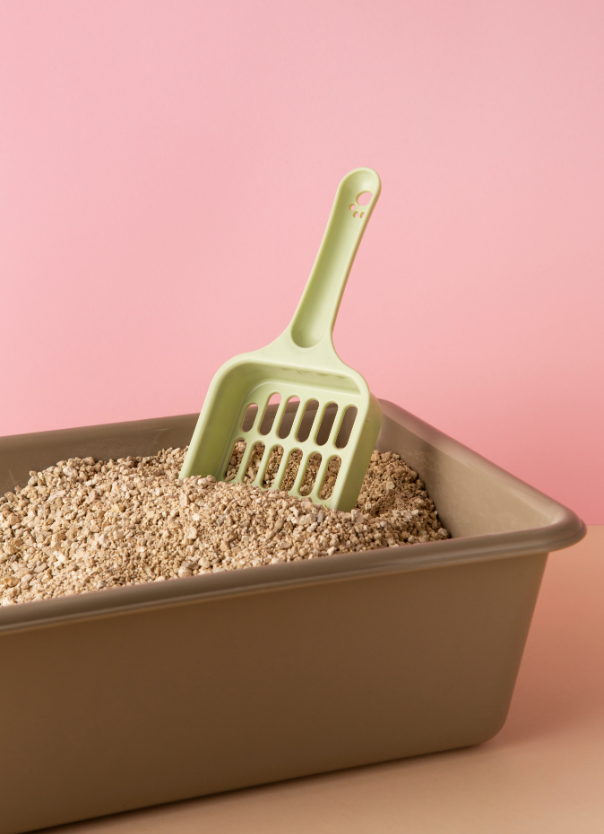
While most dogs prefer to relieve themselves outdoors, some can be trained to use a designated indoor area, like a litter box, especially for smaller breeds or in certain living situations. Start by placing the litter box in a quiet, accessible area, and encourage your dog to use it by placing them there after meals or waking up. Use positive reinforcement like treats and praise when they successfully use the litter box. Consistency is key, and keeping the litter box clean will help ensure they continue using it regularly.
Regular vet check-ups are crucial for maintaining your dog’s health. Keep up with vaccinations, flea and tick prevention, and annual exams to catch any potential issues early. Dental care is often overlooked, but brushing your dog’s teeth and providing dental chews can help prevent gum disease. Spaying or neutering your dog can also promote better health and reduce the risk of certain diseases.
Dogs need daily exercise to stay physically and mentally healthy. The amount depends on the breed and age—some dogs need long walks and vigorous play, while others are satisfied with a short walk and indoor playtime. Engaging in activities like fetch, tug-of-war, or agility training helps burn off energy and prevent behavioral problems caused by boredom.
Ensuring your dog has a safe living space is vital. Make sure your home is dog-proofed by removing potential hazards like exposed electrical cords, toxic plants, and small objects that could be swallowed. Provide a comfortable sleeping area, and ensure your dog has access to clean water and a designated space for meals. If your dog will spend time outside, ensure your yard is securely fenced. Indoors or outdoors, always supervise your dog in new environments or around unfamiliar people or pets.
Dogs are social animals and thrive on interaction with their owners. Most dogs need several hours of attention each day, including playtime, walks, training, and affection. The specific amount depends on the breed and individual temperament. Highly active and social breeds like retrievers or shepherds may need more engagement, while more independent breeds might be content with less. Regular attention is essential to prevent boredom, anxiety, and behavioral problems.

Training • Pet Care • Health
Best Healthy Dog Food

Training • Pet Care • Health
Training tips for Dogs